

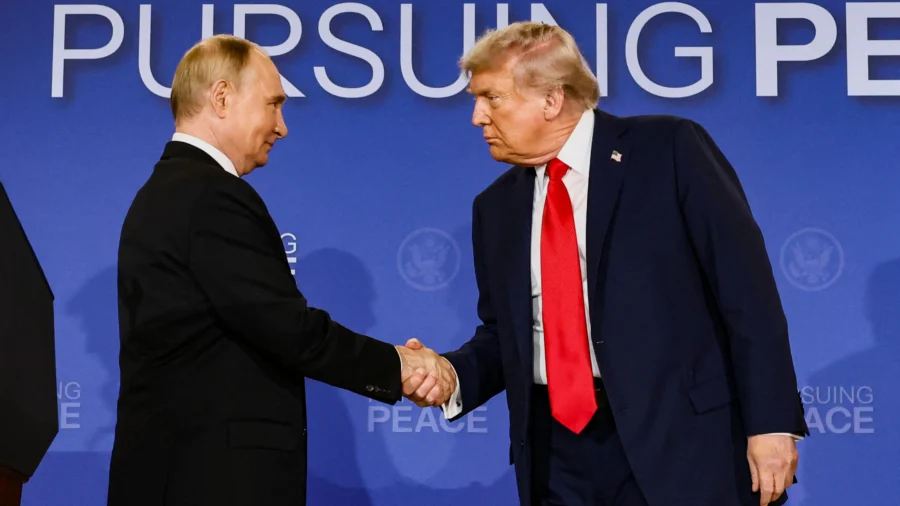
Russian President Vladimir Putin said on Nov. 27 that a U.S.-backed peace plan could form the basis of ending the war in Ukraine.
Attempts to de-escalate the Ukraine-Russia conflict have gained momentum in recent weeks, as the United States and European partners advance parallel peace frameworks aimed at breaking the current stalemate.
Putin, speaking at a news conference during a visit to Kyrgyzstan, said he is prepared for a "serious discussion" regarding the plan, adding that a U.S. delegation will visit Moscow next week.
“In general, we agree that this could be the basis for future agreements,” the Russian leader said following a Collective Security Treaty Organization (CSTO) summit with leaders from Belarus, Kazakhstan, and Tajikistan.
This marked Putin’s first public response to a peace initiative, following several days of intense U.S.-Ukraine diplomacy.
The White House confirmed last week that it had been crafting a 28-point peace plan to resolve the war in Eastern Europe.
The draft proposal would require Ukraine to make significant territorial concessions, cap its armed forces, and abandon its pursuit of NATO membership. The agreement would also involve sanctions relief for Russia, redirecting frozen Russian assets to Ukrainian reconstruction, and pledges not to attack Ukraine or other European nations.
One day after talks in Geneva on Nov. 23, President Volodymyr Zelenskyy confirmed that an American delegation—led by U.S. Secretary of State Marco Rubio—and Ukrainian officials agreed to reduce the number of points in the proposal from the initial 28.
Putin said the new draft text had been given to Moscow.
"They decided among themselves that all 28 points should be divided into four separate components," the Russian president said.
He said that the proposal required revision in “diplomatic language,” dismissing elements such as the stipulation that Russia would refrain from attacking Europe. He said such clauses are laughable because Russia does not have a desire to conquer Europe, but signaled a willingness to engage in broader discussions on Europe’s security.
Putin said the fighting would stop once Ukrainian forces pulled back from the territories they hold.
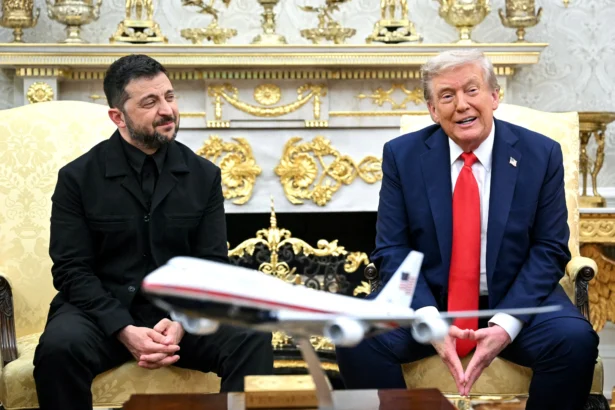
Following the outbreak of war in Ukraine in February 2022, Western governments froze about $300 billion in Russian central bank assets, most of them held in Europe.
The European Union and the United States have frequently debated whether to move beyond freezing to outright confiscation, redirecting the funds toward Ukraine’s defense and reconstruction. Proponents argue this would provide a massive financial lifeline for Kyiv. Critics have warned it could undermine sovereign immunity, destabilize global markets, and provoke Russian retaliation.
Putin said confiscation would be a negative development for the global financial system.
"Of course, there will be dire consequences because trust in the eurozone will drop dramatically," Putin told reporters.
No Deadline Announced
Trump has made ending the conflict in Ukraine a key foreign policy objective. He has refrained from giving either country a date to agree to a deal."I look forward to hopefully meeting with President Zelenskyy and President Putin soon, but only when the deal to end this War is final or, in its final stage," Trump wrote.