


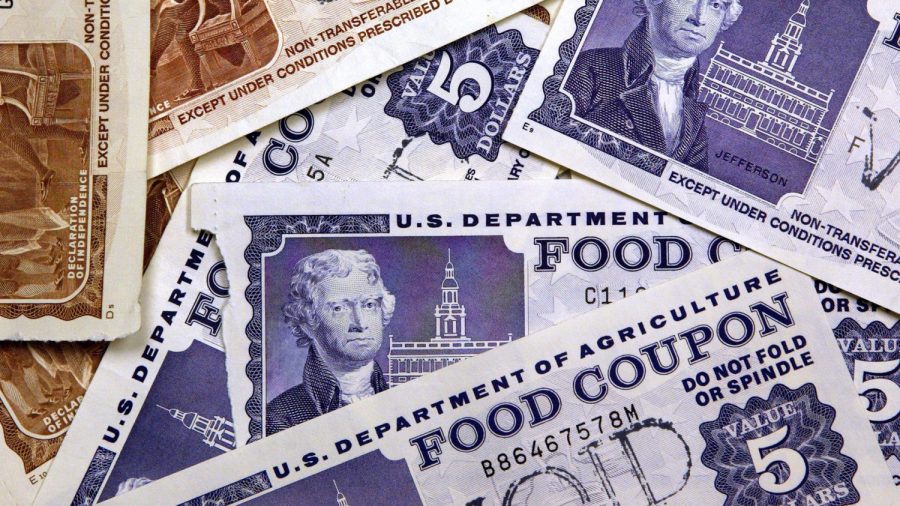
In a sour economy, you’d think household budgeters would embrace using coupons to cut costs.
That’s not the case in 2025, as consumers have increasingly turned their backs on cash-savings coupons.
According to the marketing firm RRD, retailers issued 50 million coupons in 2024, down from 330 billion in 2010, The Wall Street Journal reported. Redeemed coupons are also down, with 750 million discount certificates used by consumers last year, down significantly from the 3.3 billion redeemed in 2010, RRD calculates.
Why the disinterest in the venerable coupon? Part of the problem lies in the distribution process, as 87 percent of coupons issued are paper-based, even as about 65 percent of redeemed coupons are paperless.
Industry data show that only 19 percent of shoppers prefer receiving coupons via direct mail. Simultaneously, 81 percent of retail consumers used their mobile devices to make at least one purchase, while 53 percent of online shoppers use physical coupons in addition to digital ones.
There’s another reason why coupon usage is down, even as household debt rises across the United States in 2025. The consumer debt burden is so high that consumers are giving up on what coupons do best—stack small wins.
“There's a psychological component that prevents more people from using coupons,” Jeff Zhou, CEO at credit-building service Fig Loans, told NTD via email. “Research shows using coupons saves grocery shoppers an average of 7% on their food bill. If you spend $100 per week, that's about $30 saved over the course of a month.”
While that $30 could cover a small bill, which helps in tough economic times, there's a sense that the money saved is negligible. “That’s especially the case if there are existing large debts like a mortgage and a car payment—all on top of a struggling economy,” Zhou noted. “It's a 'why bother?' mindset.”
Beyond debt fatigue, most consumers also face a time crunch issue. “People have so much on their plates that saving money needs to be seamless, or it won't happen,” Becca Andrews, a personal money coach and founder of the financial advocacy firm Money Beyond Math, told NTD by email. “Clipping coupons, digital or physical, requires time and forethought before spending, and when the stakes are low (a few dollars saved), it's hard to commit to this practice.”
How can consumers be convinced to take those 1–10 percent discounted deals and curb their personal debt? Here are a few ways to get the job done.
Start With the Low-hanging Fruit
Most major online retail sites make it easy to save money at checkout. Amazon, for example, offers discounts on nearly all of its merchandise, primarily through pricing comparison options between product supplies, the sale of used goods, or the bundling of two or three products in one sale, which the e-commerce giant calls “frequently bought together” options.
Be Proactive in Searching for Coupons
Online platforms like Coupons.com, RetailMeNot, and browser extensions like Honey and Rakuten offer direct access to good coupons. That’s also the case for retail coupon apps like Ibotta and The Coupon App, which provide deals from over 100,000 retailers.
Look for Digital Codes
If traditional couponing is perceived as not worth the effort, there are other alternatives. “A good substitute is coupons via QR code,” Zhou said. “It requires far less effort to use and can be redeemed using a mobile phone that never leaves your side.”
Make It a 'Win-win'
If the money saved feels negligible, then use the money to contribute to a household fund. “This could be an emergency fund, your child's college fund, or a fund for a charitable cause you're passionate about,” Zhou added. “This makes active coupon use feel more worthwhile because the money is going to a functional or good cause.”
Chase rewards, not paper coupons.
No doubt, times have changed, and companies are using more advanced ways to get your business which should be leveraged.
“Focus on businesses that reward you just for being a customer, not for jumping through hoops,” Brett Henrichsen, founder at customized format printer company PosterPrintShop Inc., told NTD via email. “Companies that make you work for basic discounts usually aren't worth your time.”
The smartest shoppers Henrichsen sees in 2025 prioritize doing business with transparent loyalty programs and automatic discounts over coupon hunting. “They're getting better deals with zero effort while avoiding the bait-and-switch tactics that killed traditional couponing,” he added.
The views and opinions expressed are those of the interviewees. They are meant for general informational purposes only and should not be construed or interpreted as a recommendation or solicitation. NTD does not provide investment, tax, legal, financial planning, estate planning, or any other personal finance advice. NTD holds no liability for the accuracy or timeliness of the information provided