


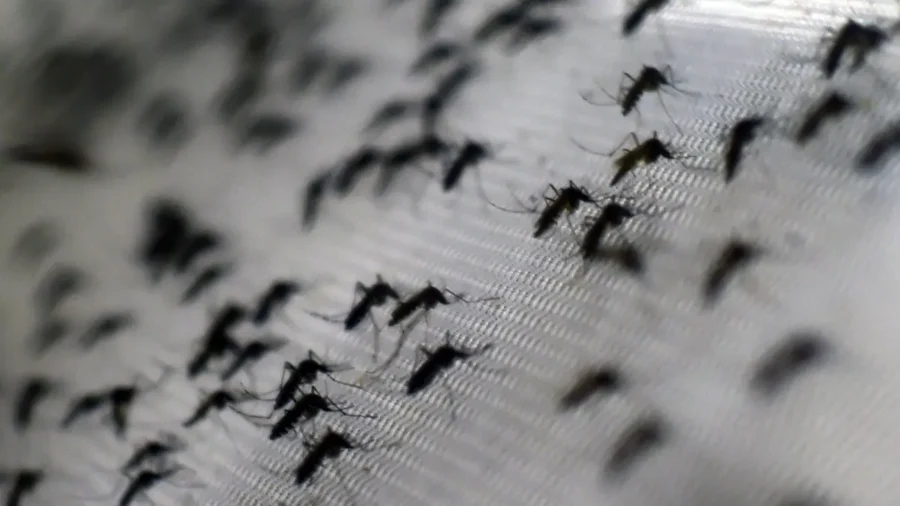
A Long Island resident has tested positive for chikungunya, a mosquito-borne illness typically found in tropical regions, marking what could be the first locally acquired case ever reported in New York state.
The New York State Department of Health is investigating the case after the woman said she contracted the illness in late August without traveling off Long Island.
“The New York State Department of Health is investigating a possible locally acquired case of chikungunya virus,” a department spokesperson told NTD News in an email. "No locally acquired cases have ever been reported in New York State, and the risk to the public remains very low.”
The department is working with local health authorities to verify test results and will provide updates as new information becomes available. Routine mosquito surveillance programs have not found the presence of the chikungunya virus in local mosquito populations.
According to the New York State Department of Health, symptoms generally appear three to seven days after being bitten by an infected mosquito. The most common signs include fever and joint pain, which can be severe and disabling. Other symptoms may include headache, muscle pain, joint swelling, and rash.
The disease affects people of all ages, though people under one year old or over 65 years old are at greater risk of more serious complications.
"While no locally transmitted cases of chikungunya virus have been reported in New York State, the Department urges New Yorkers who are traveling internationally to take precautions," State Health Commissioner Dr. James McDonald said in the advisory.
According to the health department, Aedes aegypti mosquitoes, the primary ones responsible for chikungunya transmission, are not naturally found in New York.
There is no specific antiviral treatment presently available for chikungunya. Treatment for the disease focuses on relieving symptoms through rest, staying hydrated, and taking medications to relieve fever and discomfort.
About 15 percent to 35 percent of people infected with the chikungunya virus are asymptomatic. Those who develop symptoms usually will have acute illness go away within seven to ten days, though some patients may experience persistent joint pain and fatigue lasting months or years.
Two chikungunya vaccines are currently licensed in the United States. The virus-like particle vaccine VIMKUNYA, available for individuals 12 years and older, and the live-attenuated vaccine IXCHIQ, approved for adults 18 and older.
Vaccination is recommended for travelers visiting countries where chikungunya outbreaks have been detected and when visiting for extended periods.
The most effective way to protect against the disease is to avoid mosquito bites. The state department of health recommends using EPA-registered insect repellents containing DEET, picaridin, or oil of lemon eucalyptus.
Other preventive measures include wearing long-sleeved shirts and long pants during peak mosquito activity, sleeping in air-conditioned rooms or under mosquito nets when possible, and removing standing water around homes or tents to prevent mosquito breeding.
New Yorkers returning from international travel who catch a fever or develop joint pain should call health care providers and mention their travel history.