

New Law Will Require Indiana High Schoolers to Take the US Citizenship Test—Can You Pass It?

Published: 4/28/2019, 1:52:15 PM EDT
New Law Will Require Indiana High Schoolers to Take the US Citizenship Test—Can You Pass It?
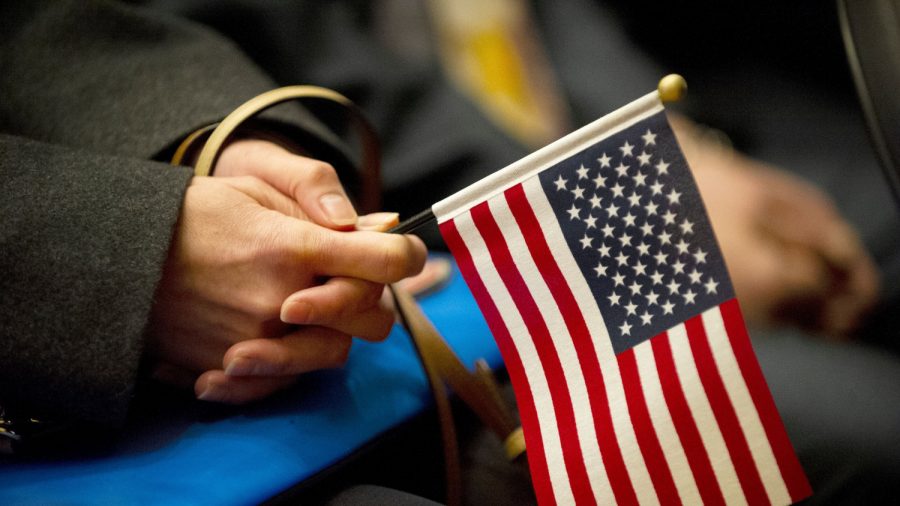
Hands holding a US flag. (Joseph Prezioso/Getty Images)

Next school year, Indiana high school students will need to take the exam all new U.S. citizens must take during the naturalization process.

Gov. Eric Holcomb signed a bill into law Thursday, April 25, requiring the test. Hoosier high schoolers will take the US naturalization test as part of their broader civics course.

The naturalization exam is made up of 100 civics questions; those applying for citizenship are asked 10 of them during their naturalization interviews.

They must get at least six correct to pass the civics portion of the naturalization exam.
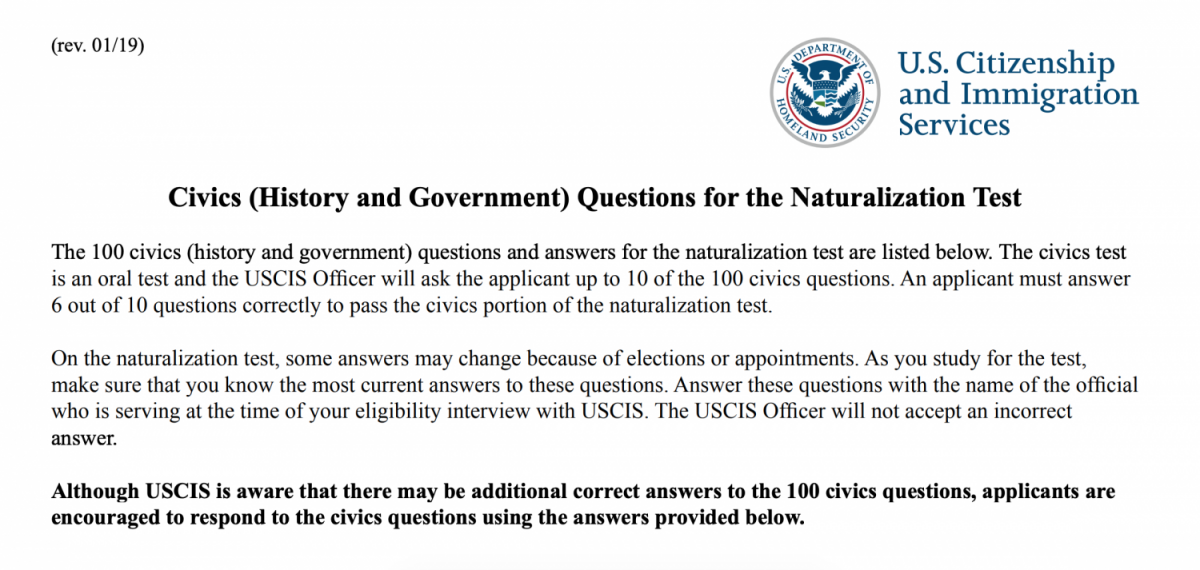
(www.uscis.gov)
www.uscis.gov
To see all the questions (and answers) on the test, click here.

The new law in Indiana doesn't say that students have to pass the test, but it does require them to take it to be able to graduate.

It also mandates that students are required to undergo "an enhanced study of the Holocaust."

The Council of State Social Studies Specialists says that Wisconsin, Louisiana, South Carolina, Tennessee, Idaho, North Dakota and Arizona require their students take the full test. Some other states require students to take a portion of the test.
Texas legislators are the latest lawmakers looking at implementing a similar measure, but they're taking it a step further. They want to make passing the test a requirement for students to graduate; it's already passed in the state House of Representatives.
High school teacher Natalie O'Brien, center, calls on students during a civics class called "We the People," at North Smithfield High School in North Smithfield, R.I., on March 8, 2017. (Steven Senne/AP Photo)
High school teacher Natalie O'Brien, center, calls on students during a civics class called "We the People," at North Smithfield High School in North Smithfield, R.I., on March 8, 2017. Steven Senne/AP Photo
To see how well you do on some of the questions from the naturalization exam, take the test below.

Questions

1. What does the Constitution do?

2. The idea of self-government is in the first three words of the Constitution. What are these words?

3. What is an amendment?

4. What do we call the first 10 amendments to the Constitution?

5. How many amendments does the Constitution have?

6. What are two rights in the Declaration of Independence?

7. Under our Constitution, some powers belong to the federal government. What is one power of the federal government?

8. The Federalist Papers supported the passage of the Constitution. Name one of the writers.

9. There are four amendments to the Constitution about who can vote. Describe one of them.

10. What is one right or freedom from the First Amendment?
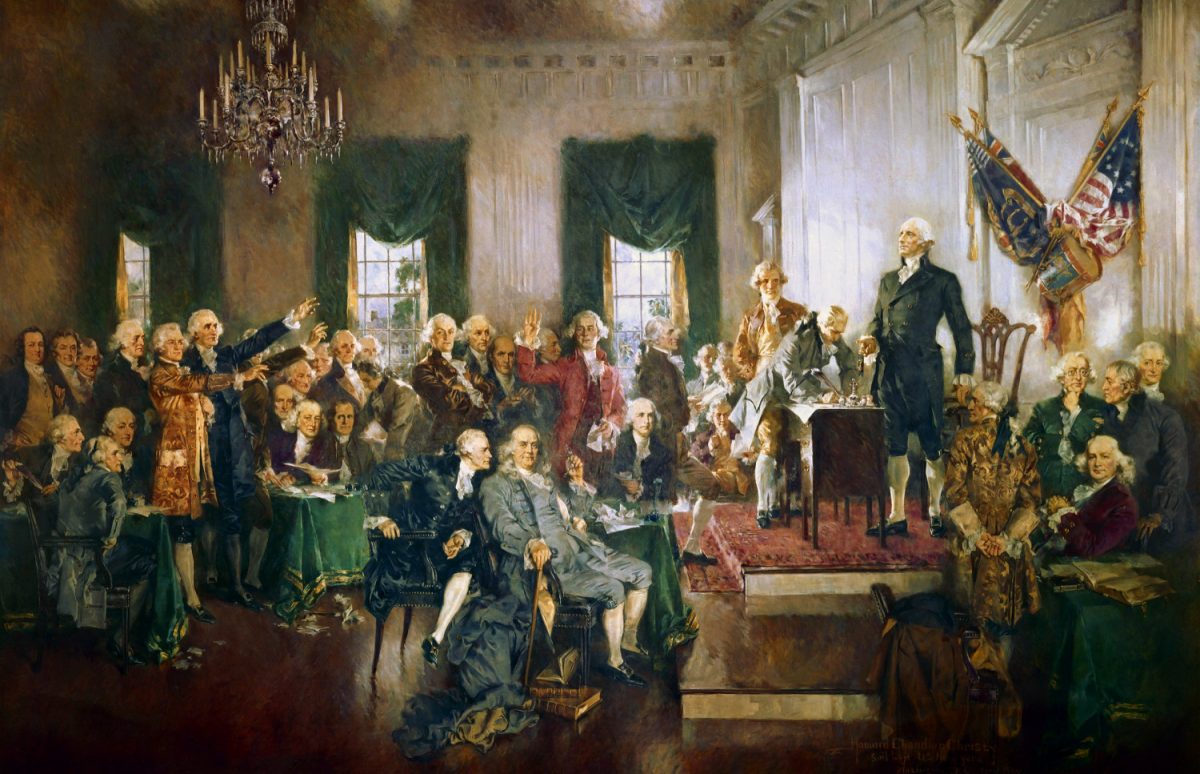
“The Signing of the Constitution of the United States” by Howard Chandler Christy (1872–1952). (Public Domain)
“The Signing of the Constitution of the United States” by Howard Chandler Christy (1872–1952). Public Domain

Answers

1. Sets up the government, defines the government and protects basic rights of Americans

2. We the People

3. A change or an addition to the Constitution

4. The Bill of Rights

5. 27

6. Life, liberty, the pursuit of happiness

7. To print money, to declare war, to create an army or to make treaties

8. James Madison, Alexander Hamilton, John Jay (under the collective pseudonym Publius)

9. Citizens 18 and older can vote; you don’t have to pay to vote; any citizen can vote, a male citizen of any race can vote

10. Speech, religion, assembly, press, petition the government
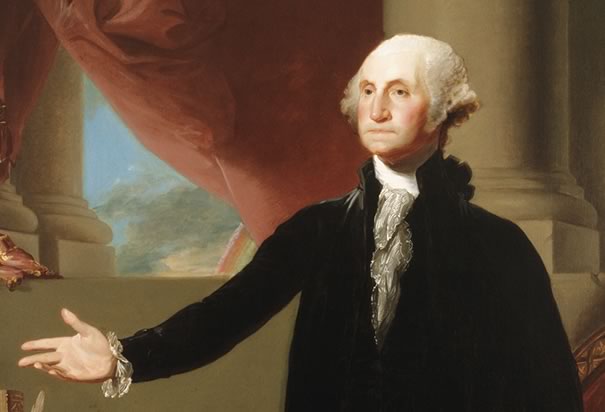
“The basis of our political system is the right of the people to make and to alter their Constitution of government. But the Constitution which at any times exists, ’til changed by an explicit and authentic act of the whole People, is sacredly obligatory upon all.” George Washington (1732–1799). The first President of the United States, the commander-in-chief of the Continental Army during the American Revolutionary War, and one of the Founding Fathers. (Gilbert Stuart/Library of Congress)
“The basis of our political system is the right of the people to make and to alter their Constitution of government. But the Constitution which at any times exists, ’til changed by an explicit and authentic act of the whole People, is sacredly obligatory upon all.” George Washington (1732–1799). The first President of the United States, the commander-in-chief of the Continental Army during the American Revolutionary War, and one of the Founding Fathers. Gilbert Stuart/Library of Congress
The Associated Press contributed to this report.