


The National Transportation Safety Board has released preliminary findings from its investigation into a November plane crash that claimed two lives near New Orleans. The findings shed light on the final moments before the small plane descended into Lake Pontchartrain.
The plane departed Gulfport-Biloxi International Airport at around 5:43 p.m. on what was intended to be an instrument flight training mission. The plane climbed to 4,000 feet and traveled west-southwest before turning westerly and descending to approximately 2,000 feet.
As the flight approached its destination, the pilot began a descent toward New Orleans Lakefront Airport around 6:20 p.m. when the plane was about 6 nautical miles away. However, approximately three minutes later, the plane entered a tight descending left turn that lasted about 27 seconds, after which radar contact was lost.
The wreckage came to rest approximately 3.7 nautical miles from the runway at New Orleans Lakefront Airport, roughly 500 feet from where the final radar position was recorded.
Conditions at the time of the crash were challenging. The National Transportation Safety Board indicated that the area was operating under instrument meteorological conditions, with broken clouds at 800 feet above ground level, 10-mile visibility, winds at 11 knots from 130 degrees, and temperatures around 22 degrees Celsius. The accident occurred at night, with civil twilight having ended about 54 minutes earlier and only 17 percent of the moon's disk illuminated, making visual references difficult.
The flight was operating under instrument flight rules and had been cleared for an instrument landing system approach to runway 18R. The plane kept communication with air traffic control throughout its flight path and did not issue a distress call before impact.
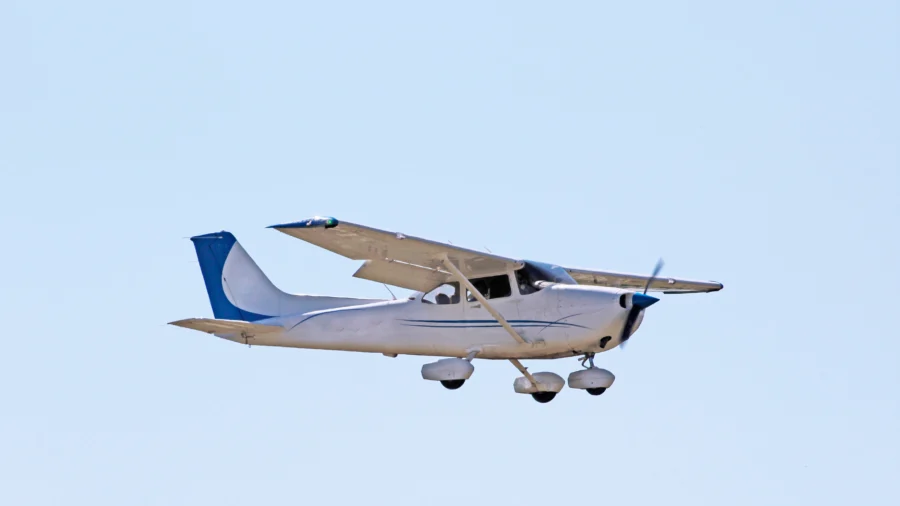
The pilot-in-command received their pilot certification from Apollo Flight School. Carasto said at the time that the Cessna was a late-1970s or early-1980s model maintained in accordance with regulatory standards and that early information suggested mechanical failure was unlikely.
Recovery efforts located and retrieved the plane wreckage from Lake Pontchartrain on Dec. 3, according to the NTSB report. Investigators recovered most of the plane structure, including the fuselage, wings, tail surfaces, engine and propeller, though some small airframe portions were not recovered.
The NTSB's investigation into the crash remains ongoing, with the agency continuing to examine factors that may have contributed to the accident. John Brannen serves as the investigator in charge of the case.